
Making money at a glance
| Currency | Dew |
|---|---|
| Best-supported start | Selling crops and food |
| Cooking | Uses farmed ingredients at cooking stations |
| Fishing | Low sale value reported in the Beta |
| Fastest method | Not established |
| Current price list | Not verified |
What Dew is
Dew is Loftia’s regular in-game currency. Qualbert’s Beta playtest preview from May 8, 2026 identifies it as the money players earn and spend. It is separate from any real-money cosmetic purchases. Everything in this guide refers to earning Dew inside the game.
Loftia is buy-to-play, and optional purchases are cosmetic. That means Dew is earned through playing rather than bought for progress. Exactly what Dew can buy in the current build was not fully verified. The game will show prices when you visit shops and vendors.
Prices and payouts can change during development. The game is entering Early Access on November 3, 2026, and balance is likely to be adjusted over time. That is another reason not to rely on fixed numbers. Checking values in your own game keeps you up to date.
Farming and food as the starting loop
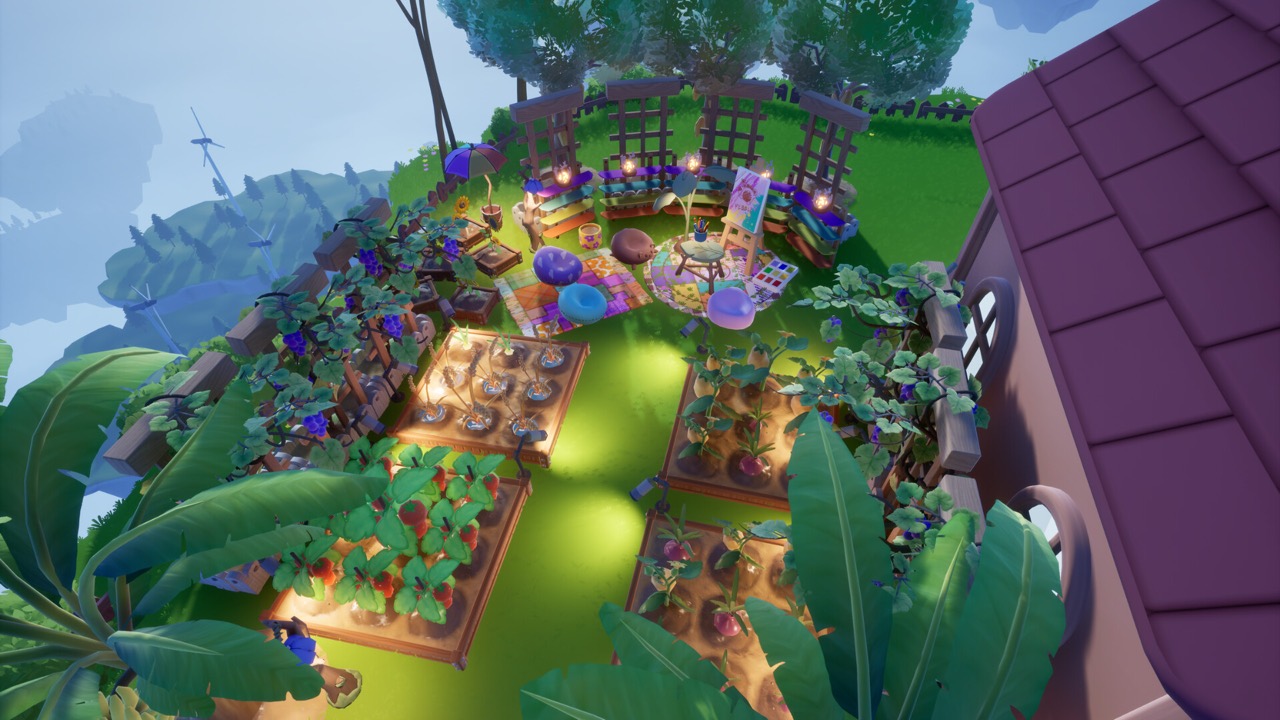
The collected material points to farming and food as the best starting point. Qualbert’s Beta reviewer found food useful as sale goods. The Game of Nerds Beta preview placed farming, gathering and cooked dishes within the wider resource and community loop. Both describe the Beta rather than a current balance sheet.
Official sources confirm farming and cooking as game activities. The official overview says the demo includes farming, and it lists Cooking among the proficiencies expanded in Early Access. Devlogs 13 and 14 describe using farmed ingredients at cooking stations. Growing crops and turning them into food is therefore a natural money loop.
A Beta-era creator money guide covered lettuce, carrot soup, mushrooms and copper as money topics. Those topics came from its chapter list and description. Its values belong to the Beta and may not match the current build. Treat it as a list of ideas to test rather than a profit table.
The Beta ran from April 22 to May 6, 2026, so its money observations are several months old. The October demo is a newer build. Even so, the demo has a restricted scope and caps skills at Level 5. Its economy may not represent the full Early Access game.
Keep quest and crafting ingredients
Before selling everything, think about what you need. Quests may ask for specific crops or items. Crafting and cooking also use materials from your farm and gathering trips. Selling a key ingredient too early can slow your progress.
A practical approach is to keep a small stock of anything a quest or recipe uses. Sell surplus items once you know you will not need them soon. This is an editorial recommendation rather than an official rule. It helps you avoid buying back items you already had.
Crops grown in advanced systems may also matter later. The official overview says Hydroponics Stations give a chance of Super Crops. Whether Super Crops sell for more was not stated. That is worth testing once Early Access opens.
Compare net profit in your own build
The most reliable way to find good earners is to check values yourself. Look at what an item sells for in your current game. Then compare that with the cost of producing it, such as seeds or other ingredients. The difference is your real return.
Cooking is a good example. A cooked dish might sell for more than its raw ingredients, but that is not guaranteed for every recipe. Do not assume that every cooked dish is profitable. Compare the dish price with what the ingredients would have earned on their own.
Test a small batch before scaling up. If something proves worthwhile, you can expand production. If it does not, you have lost little. This simple habit beats relying on old numbers from a different build.
Why fishing is not our top pick
Some creator videos compared activities and framed fishing as a high earner. That framing was not verified. Qualbert’s Beta preview actually reported that catches had a low sale value. The reviewer used research systems for fish instead.
The developer’s fishing design centers on aquatic conservation and research. Research stations help NPC scientists study aquatic species. That does not prove selling fish is impossible, but it suggests fishing is not mainly a money activity. Our fishing guide explains the system in more detail.
Gathering and salvage
Gathering and salvaging are core activities that supply materials. Some of those materials may be worth selling, while others are better kept for crafting. The Beta money guide mentioned copper among its topics. Its value in the current build was not verified.
Gridfall, one of the Early Access regions, is described as a salvage-focused district. Its Urbex underground exploration uses a special tool to find rare resources. Whether those resources are valuable to sell was not confirmed. Expect more money-making options as new regions open.
Your island’s crafting setup can also support income. Crafting machines in the Beta used power from a battery charged by solar energy. Crafted items may be worth more than raw materials, but that was not verified. Compare values the same way you would for food.
Why there is no fastest-profit table yet
Many players search for the single fastest way to earn Dew. No reliable answer exists yet for the current build. Exact shipping menus, sale prices and payout timing require fresh playtesting. Old Beta numbers may no longer be accurate.
We prefer to give you a method rather than a misleading table. Farming and food are the best-supported starting points, and comparing value in your own game is the way to refine them. Once Early Access is playable, verified data can be gathered. This guide will be updated when that happens.
If you discover a reliable earner in Early Access, note the build or date when you tested it. That makes your findings easier for others to check. Sharing tested results in the official Discord helps the whole community. Good data will replace guesswork quickly after launch.
Getting started
In the free demo, from October 19 to October 26, 2026, start by learning to farm. Follow the opening quests and pay attention to which items sell well. Link your Loftia website account in-game so your progress and items carry over. Unlinked progress cannot be recovered.
Early Access opens on November 3, 2026 at 1pm EST on Windows and macOS. Cooking proficiency expands there, along with new regions. The announced US price is US$29.99, with a limited-time launch price of US$24.89. Your Dew-earning routine can grow from the farm you started in the demo.
Sources and further reading
- Qualbert — Loftia Beta Playtest Preview, May 8, 2026
- The Game of Nerds — Playing Loftia’s Beta, May 14, 2026
- Loftia — Official Demo and Early Access overview
- Qloud Games — Devlogs 13–14 on BackerKit
- Qloud Games — Official Steam announcements
- Loftia — Official FAQ